
COASTAL COMMUNITIES
Championing our coast


COASTAL COMMUNITIES
Championing our coast
We know coastal communities face unique challenges but can also harness unique opportunities.
By working collaboratively, our Centre for Coastal Communities applies research and innovation with impact that delivers positive change.
We champion coastal communities, work in the community, develop strategic partnerships and deliver powerful insights.


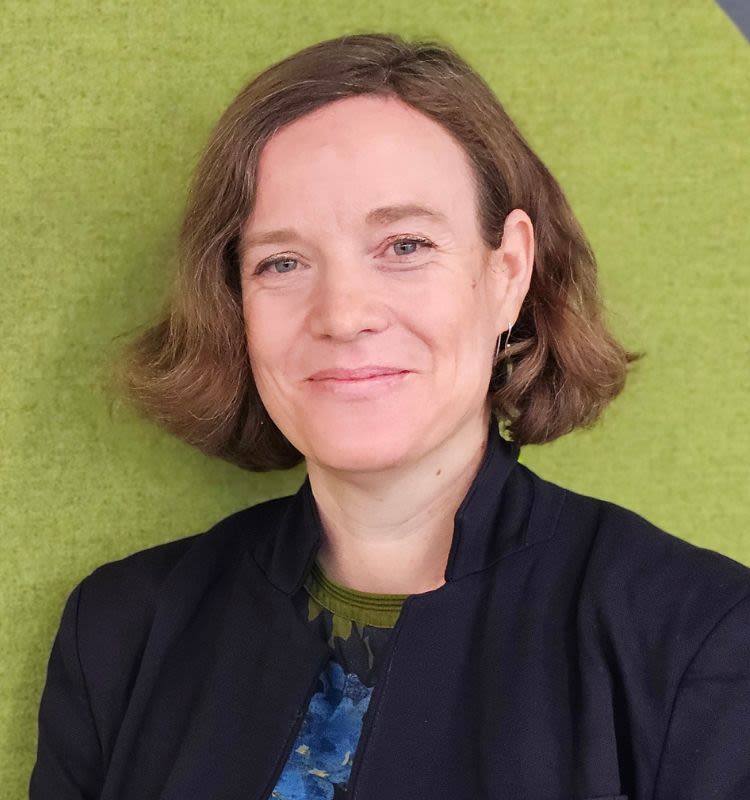
"My vision for the Centre for Coastal Communities is one of inclusivity.
"That the research questions we ask, the data we create and the solutions we offer are truly informed by and for coastal communities."
Dr Emily T Murray
Director, Centre for Coastal Communities

Our Centre working with your community

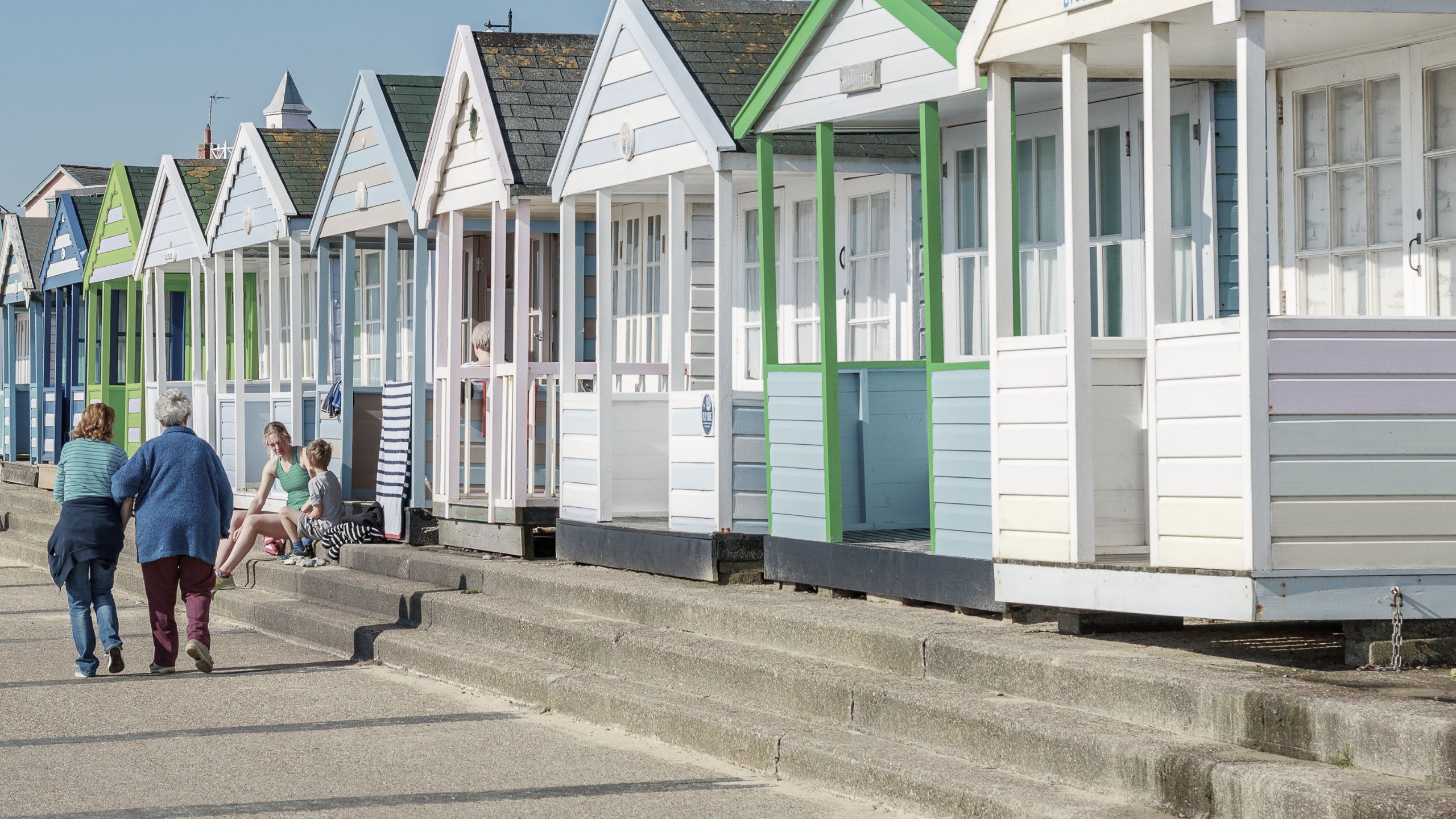
Our Centre working with your community
Our Centre for Coastal Communities is a national hub of excellence committed to making an impact locally, regionally and internationally by engaging with and supporting people living and working along our coasts.

Inequalities in health and social care


Inequalities in health and social care
A 2021 report from the UK’s Chief Medical Officer revealed that coastal communities have some of the worst health outcomes in the country.
Lower life expectancy, high rates of major diseases like diabetes, heart disease and cancer, and disproportionate rates of mental health problems stretch under resourced and hard-to-reach services.
Our research is changing that.
Closing the gap in stroke care
In the UK, 100,000 people a year suffer a stroke, with two thirds left disabled. Researchers working across Essex and Suffolk are exploring how inequalities in accessing specialised stroke care disproportionately impact communities in coastal areas.
Led by Professor Reza Majdzadeh, from the School of Health and Social Care, the CoastGEM project is already showing that geographic disparities are worsened by the absence of adequate infrastructure, including rehabilitation centres. Gaps in public transport further exasperate the problem for those living in remote areas.
The research team is working in partnership with East Suffolk and North Essex NHS Foundation Trust (ESNEFT) assessing community services in towns across the region, including Aldeburgh, Clacton and Harwich.
"It is important to ensure that all stroke patients have equitable access to effective rehabilitation services regardless of their language, location, gender, cognitive status, or financial situation.
"By working on the barriers and leveraging opportunities for improvement, healthcare systems can enhance the quality and effectiveness of stroke rehabilitation, ultimately leading to better outcomes for patients."
Professor Reza Majdzadeh
School of Health and Social Care

Shining a light on mental health disparities
- Research led by Dr Claire Wicks, and featured in The Guardian, shows that between 2018 and 2023, young people in the most deprived coastal areas were 2.5 times more likely to be living with an undiagnosed mental health condition than their peers in equally deprived areas inland.
- Our Institute of Public Health and Wellbeing was awarded £2.5m from the National Institute for Health and Care Research for a five-year project to work with local community and mental health care providers to study loneliness and social isolation in young adults and bolster research across Essex, Southend and Thurrock.


Wider determinants of health

Wider determinants of health
What we eat and drink, how we exercise, our genes and access to medical care can determine whether we live in good or bad health, but what about where we are born, how we are educated and what work we do?
Employment, quality of work, education and skills, housing, and the environment around us can all impact our health outcomes.
Essex researchers are ensuring we understand how and why, so we can improve health and wellbeing for all.
Coastal youth suffer worse mental health
One in five children and young people aged between eight and 25 are thought to suffer from a mental health condition according to an NHS England survey, with numbers continuing to rise amongst 17-19-year-olds.
Dr Emily T Murray, Director of the Centre for Coastal Communities, is studying how environmental factors are fuelling the crisis.
Her work has shown that adolescents in English coastal neighbourhoods are exposed to a range of factors that make them more susceptible to poor mental health.
By comparing the mental health of young people on the coast with their peers inland between 2009 and 2020 and following up 11 years later, the research has shown that those who lived in areas with higher levels of crime and lower participation in higher education had worse mental health as young adults.
The study also revealed that economic circumstances, particularly living in low-income households and higher rates of private renting, played a role.
"Given the increasing prevalence of youth mental disorders in England, and that more than two-thirds of mental illness begins by age 25 years, resources should be targeted in today’s youth to prevent a tsunami of future mental ill health and suicides."
Dr Emily T Murray
Centre for Coastal Communities

Environmental insights
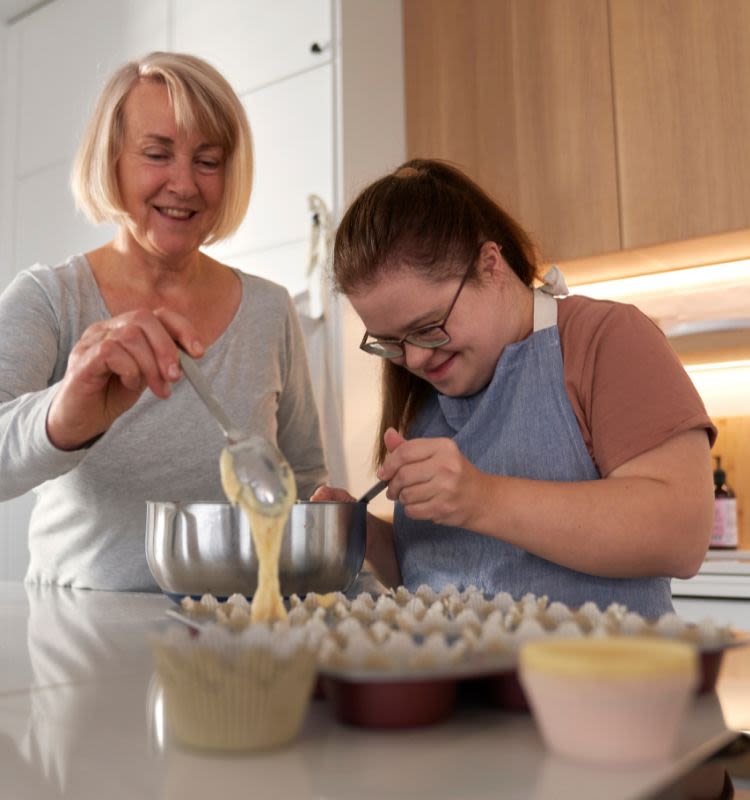
- Funded by Innovate UK, Dr Anna Pettican and Dr Simone Coetzee from the School of Health and Social Care, and Associate Researcher Alice Clarfelt, are leading a Knowledge Transfer Partnership with Minstead Trust, which supports people with learning disabilities along the south coast. This Participatory Action Research project is tackling challenges and inconsistences in the three-way relationships between adults with learning disabilities, their family carers and support staff to ensure people can lead happier and more independent lives.
- Dr Jordon Lazell, from Essex Business School, has explored how community food projects in Clacton have become increasingly dependent on surplus food to deliver their services. His findings, which show tensions between food donations and the use of surplus food from the retail sector, highlight the implications of using surplus food and what it means for the resilience of community food projects in low-income coastal communities.
- Dr Konstantinos Roussos, Dr Lazell and Professor Mariachiara Di Cesare are working with East Suffolk Council to evaluate the ecosystem in which Food Support Provision operates in East Suffolk, examining how multiple actors and service models contribute to meeting community needs and maintaining system resilience.
- Dr John Day is leading an independent evaluation of the ‘Coast to Calm’ Home-Start Essex project which combines the proven benefits of creativity and connection with nature to improve mental health, increase physical activity and promote healthier lifestyles. The evaluation will measure the programme’s effectiveness in improving participants’ mental health and wellbeing in an outdoor setting.

Protecting and harnessing our coastal environments


Protecting and harnessing our coastal environments
It’s well known that natural environments can directly impact our health and wellbeing.
Just as green spaces like parks, woodlands and forests are good for us, blue spaces like estuaries, rivers and beaches can improve our mental and physical health.
Our researchers are ensuring those spaces are protected and harnessed to build resilience so that people in coastal communities can lead happier, healthier lives.
Making our diverse UK coastal areas more resilient
Complex challenges associated with things like climate change, population and infrastructure pressures and the cost-of-living crisis threaten the resilience of coastal communities, putting food, jobs, coastal protection, cultural enrichment and our health at risk.
A £2.9m government-funded project, led by Professor Gina Yannitell Reinhardt, from the Department of Government, aims to develop a toolkit to help communities confront and mitigate pressures, strengthening resilience and helping them adapt to disruption and change.
The ARISE Initiative is one of four initiatives to receive a total of £14.8m from the UKRI and the Department for Environment, Food and Rural Affairs. It focuses on the Norfolk, Suffolk, Essex and Kent coasts, which include some of England’s highest and lowest levels of deprivation.
It will implement 12 new initiatives on the English coast, from education outreach to civic engagement and arts-based events, which after evaluation will inform a transferable toolkit of best-practice which will support decision-making.
"Our project encourages people to deepen their understanding of the problems they face, at a personal and community level, and gives them the tools to gather evidence, test policies and ultimately design and decide the best policies for themselves and where they live."
Professor Gina Yannitell Reinhardt
Department of Government

Understanding our relationship with our environment
- Dr Wijnand van Tilburg, from the Department of Psychology, studies how natural versus non-natural geography shapes how we feel, so that we can improve the design of the places where we live, work and relax. His work has shown that natural environments and vivid colours can help us avoid negative feelings like boredom and that coastal environments promote nostalgic experiences that help us feel more positive.
- Dr Elia Valentini, from the Department of Psychology, researches emotional and cognitive factors that influence our perception of and response to climate change and ecological crises. He aims to start a longitudinal survey of how emotional states are associated with awareness and whether they can predict environmental knowledge and self-reported behaviour or are predicted by them.
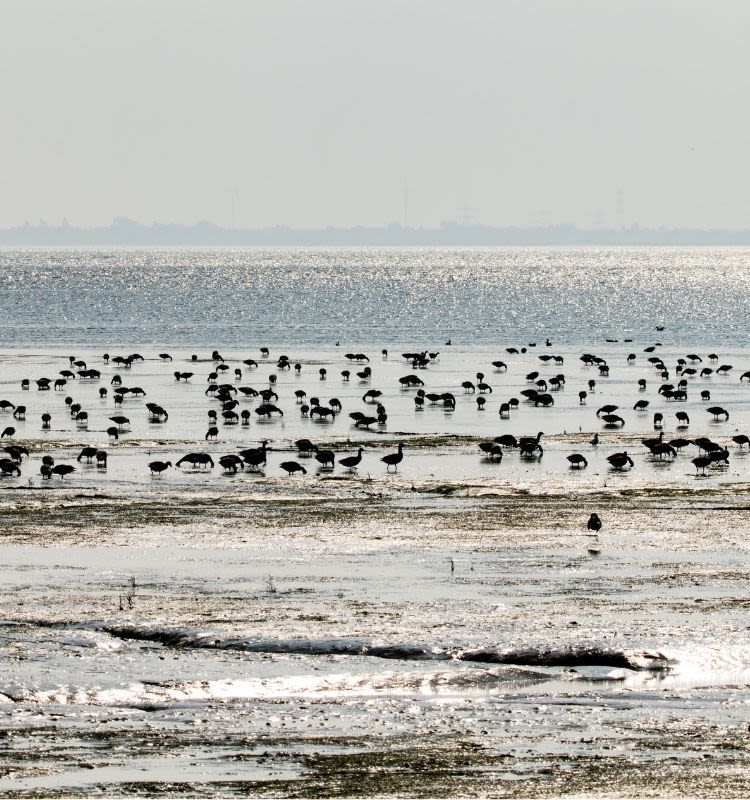
- Professor Graham Underwood, from the School of Life Sciences, is leading the Essex strand of the REWRITE EU project that aims to revitalise Europe's intertidal areas by advancing the concept of rewilding as a nature-based solution to climate change and biodiversity loss. The Essex Estuaries initiative will help to protect the county’s unique coastal habitats, including salt marshes and intertidal mud and sand flats, from threats such as rising sea levels, coastal flooding, water quality and human population growth.

From local voices to global change


From local voices to global change
Addressing the social determinants of health equity is fundamental if we want to improve health and reduce longstanding inequities.
To be successful, it needs action from all parts of government, the private sector and civil society.
As global leaders in human rights research, teaching and practice, we’re expertly placed to apply human rights frameworks to coastal challenges and support countries in developing and implementing key policies that reduce health inequities.
Human rights principles in local communities
Systemic issues like poverty, housing insecurity and access to healthcare hold people and their communities back but human rights frameworks can give them the voice they need to create change.
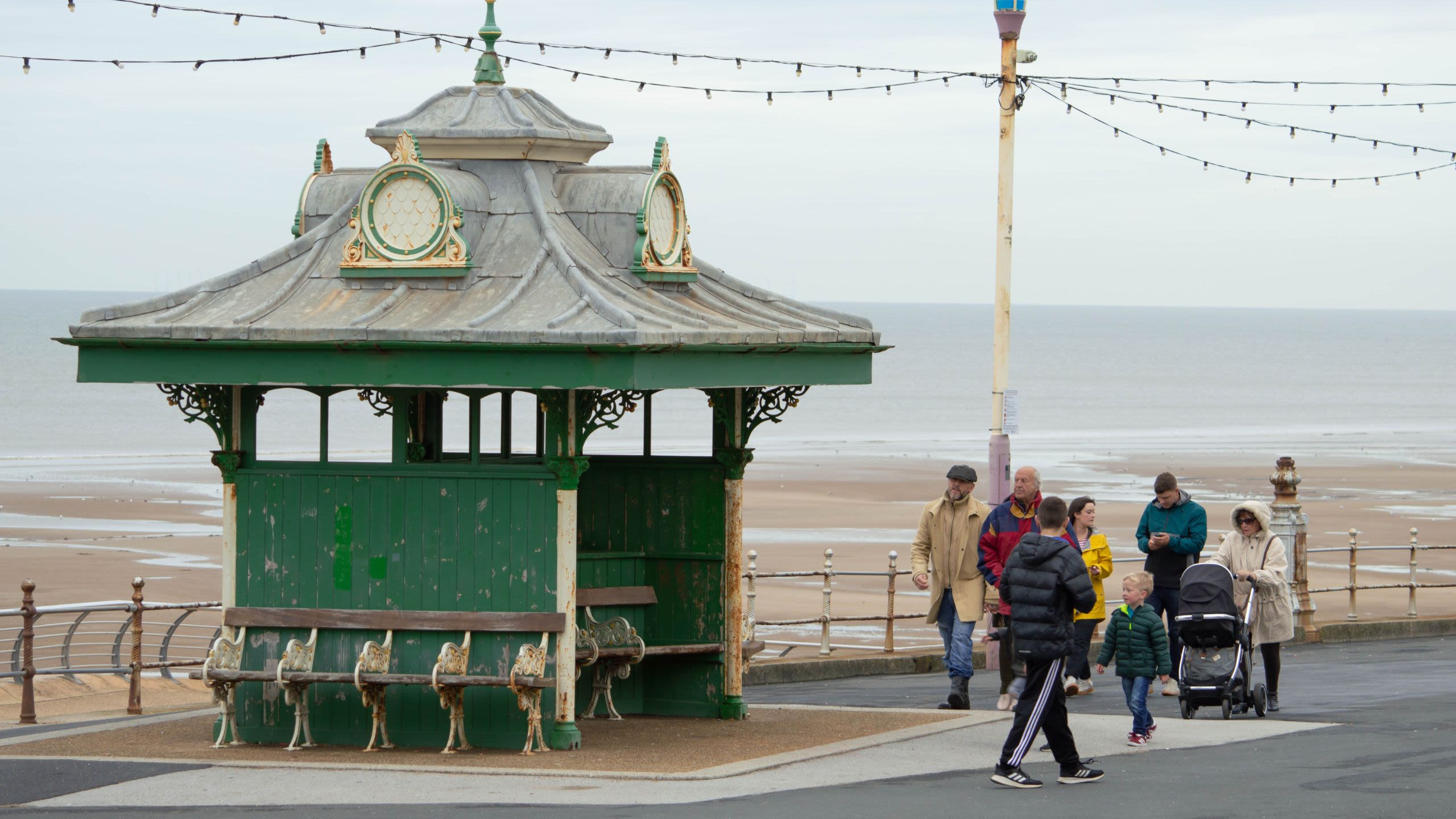
Dr Koldo Casla, from Essex Law School and Human Rights Centre, leads our pioneering Human Rights Local project, which applies international human rights principles to everyday life in coastal communities.
He’s working with community groups across England helping residents to speak out on issues such as poverty, housing insecurity and access to healthcare.
Evidence from the project has been used by the UN Committee on Economic, Social and Cultural Rights to influence the future global conversation on the state of socio-economic rights such as the right to housing, food, education, social security, health, access to work and good working conditions.
"There is a perception of a distance between the local reality and global human rights ambitions. The aim of Human Rights Local is to cross that bridge and make universal rights and standards meaningful, relevant, and speak to the needs of local communities in England."
Dr Koldo Casla
Essex Law School
Putting rights into practice
- Judith Bueno de Mesquita, and Professors Karen Hulme and Anuj Kapilashrami from Essex Law School are part of an international research project spanning ten countries, looking at how local and traditional knowledge can be harnessed to advance food security, climate change mitigation, and public health. As part of a broader interdisciplinary collaboration, their contribution focuses on human rights to enhance social justice and public health.
- Dr Samantha Davey, from Essex Law School, has been working with Healthwatch Essex and mothers across the region to explore the impact of trauma when children are put up for adoption without maternal consent. The project, which involved mothers who had suffered domestic abuse, mental health issues or other trauma which made it difficult for them to support their children, was turned into an exhibition at Jaywick Martello Tower.


Connecting to our culture and heritage


Connecting to our culture and heritage
Culture, heritage and the arts can be a powerful tool for improving both individual and community wellbeing.
Celebrating and feeling connected to the places where we live can promote confidence and life satisfaction and gives us a sense of belonging, pride, ownership and collective empowerment.
By supporting cultural and heritage projects in our coastal communities, Essex researchers are enhancing wellbeing for all.
Revealing the human stories of Essex witch trials
Public understanding of one of our county’s darkest moments in history has long been shaped by myths and misconceptions and dominated by infamous ‘witchfinders’. Professor Alison Rowlands is ensuring our communities remember the human stories behind the much-distorted depictions of Essex’s witch hunting history.
Professor Rowlands, from the School of Philosophical, Historical and Interdisciplinary Studies, is an expert in early modern European witch trials.
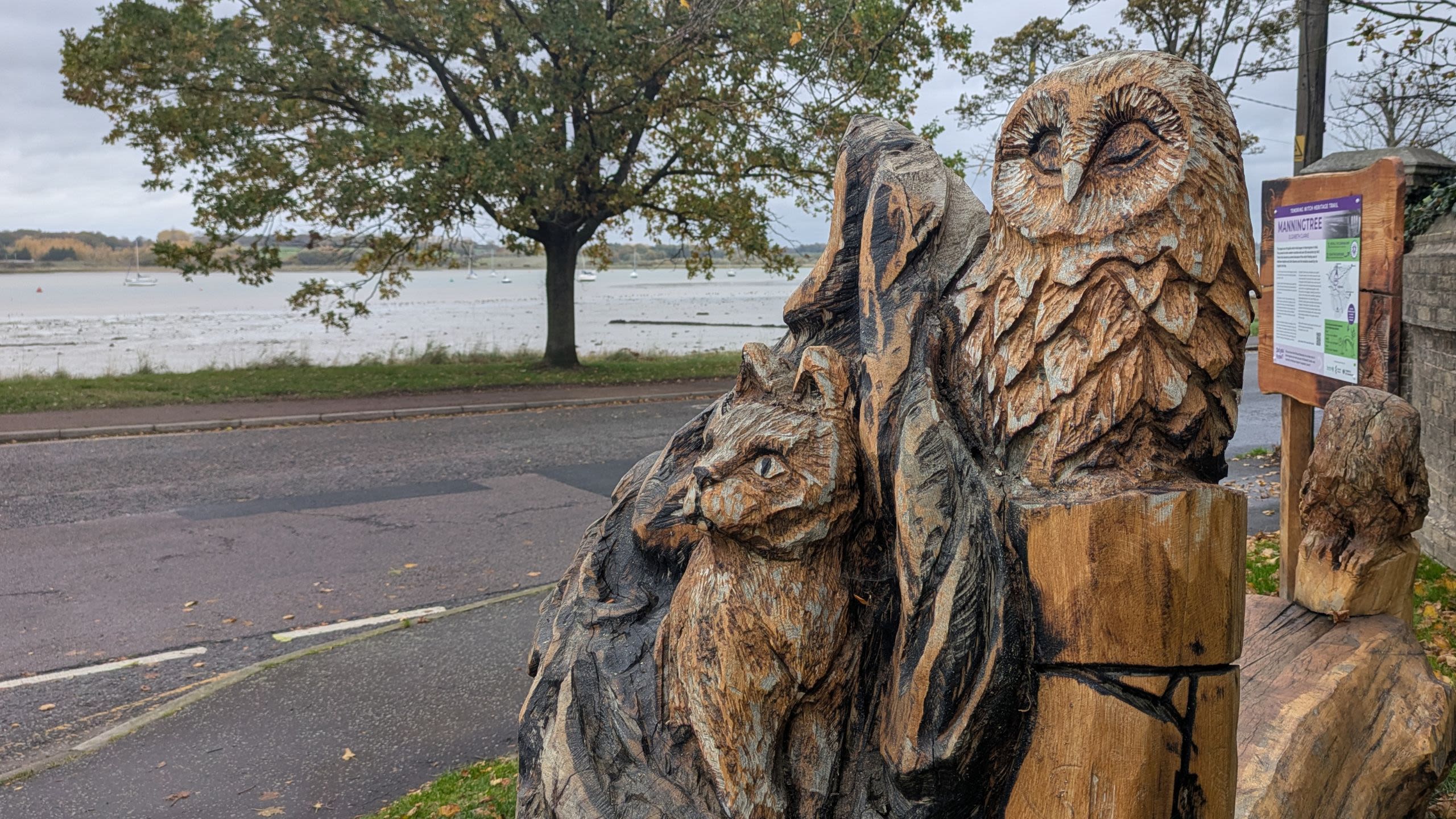
She’s worked with Tendring District Council to help preserve the stories of the victims of the 16th and 17th century trials that impacted communities in Manningtree, St Osyth, Harwich and Walton and saw nearly 300 people, mainly women, tried for witchcraft.
The project has resulted in unique wooden benches and information boards that reflect each location’s history authentically and in a way that resonates with people today. Stories have been brought to life for the first time using augmented reality and are accessed on smart phones, giving visitors a living history experience and residents ownership of their heritage.
"The efforts to remember the victims of the witch trials really matter, particularly when they take the form of public memorials because that’s a way of academic research reaching out to communities, interacting with them and reminding them of the need to reflect on this challenging period in our county’s history."
Professor Alison Rowlands
School of Philosophical, Historical and Interdisciplinary Studies
Empowering communities and promoting inclusion
- Researchers across the Faculty of Arts and Humanities are partnering with the Electric Palace cinema in Harwich to help preserve its history and bring engaging film discussions to the local community. Through an innovative placement scheme, history students working with Dr Alix Green are uncovering gems from the past as they help search and catalogue the cinema's vast archives; Dr Daniel O’Brien is developing a programme of special film screenings with expert Q&A discussions; and the University's Inclusion Champion for Jewish students and staff, Professor Sanja Bahun, ensures the University and cinema continue to jointly commemorate Holocaust Memorial Day.
- Professor Ewen Speed, from the School of Health and Social Care, works with marginalised and under-represented and excluded groups to ensure they are meaningfully included in social, cultural and economic life. He has worked with Gypsy, Roma and Traveller communities across the east of England to develop a framework for how these communities can participate in co-produced research that can be applied to policy decisions.
- Dr Tony Sampson, from Essex Business School, explores the emotional, sensory, and affective experiences of digital and analogue worlds including how to use ‘emotional geography to inform local community development and activism projects. Under his leadership, a multidisciplinary team of postgraduate students have worked with the Frinton and Walton Museum to help shape the new museum, including digitising its archive and helping to promote it.
- Creative Tendring has been awarded £750,000 through a £42 million Arts Council England investment in grassroots-led cultural experiences in areas where arts participation is below the national average. The Centre for Coastal Communities will help guide evaluation of the programme on tackling isolation, supporting wellbeing, and helping people of all ages and backgrounds build confidence through creativity.



We’re part of the Institute of Public Health and Wellbeing which has a community of expert researchers tackling pressing global challenges.
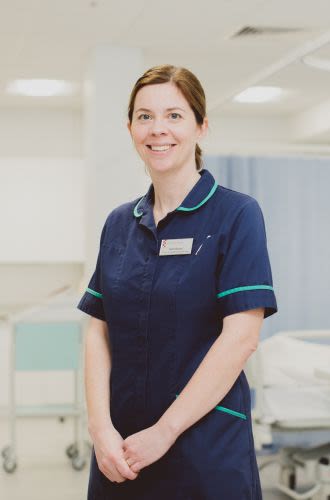
We work in partnership with service users, policy makers, frontline professionals and members of the public.


Essex's Centre for Global Health and Intersectional Equity Research monitors global health indicators, mapping the health status of vulnerable population groups.
Essex is a national leader in knowledge exchange, consistently ranked in the top 20 for using research to drive innovation and was the first UK university with 50 active Knowledge Transfer Partnerships.
Our University has a track record of collaborating with local authorities, regional health consortiums and national groups, including the Coastal Communities Alliance.

We’ve got a community of multi-disciplinary researchers working on coastal challenges across science and health, social sciences, arts and humanities.

Essex is home to Understanding Society, the largest longitudinal household panel study of its kind, providing evidence on life changes and stability.
Work with us
Our research expertise, project and evaluation skills and networks can help your coastal community thrive. We're ready to work with you.


Get in touch
If you have a project you need help with or you want to find out more about our work, get in touch.
Read our news
Find out about our latest projects, people and partnerships on our webpages.

Health expertise
Find out more about our multidisciplinary Institute of Public Health and Wellbeing.
 Built with Shorthand